
❋
Retail Innovation Strategy

Overview
❋ The Challenge
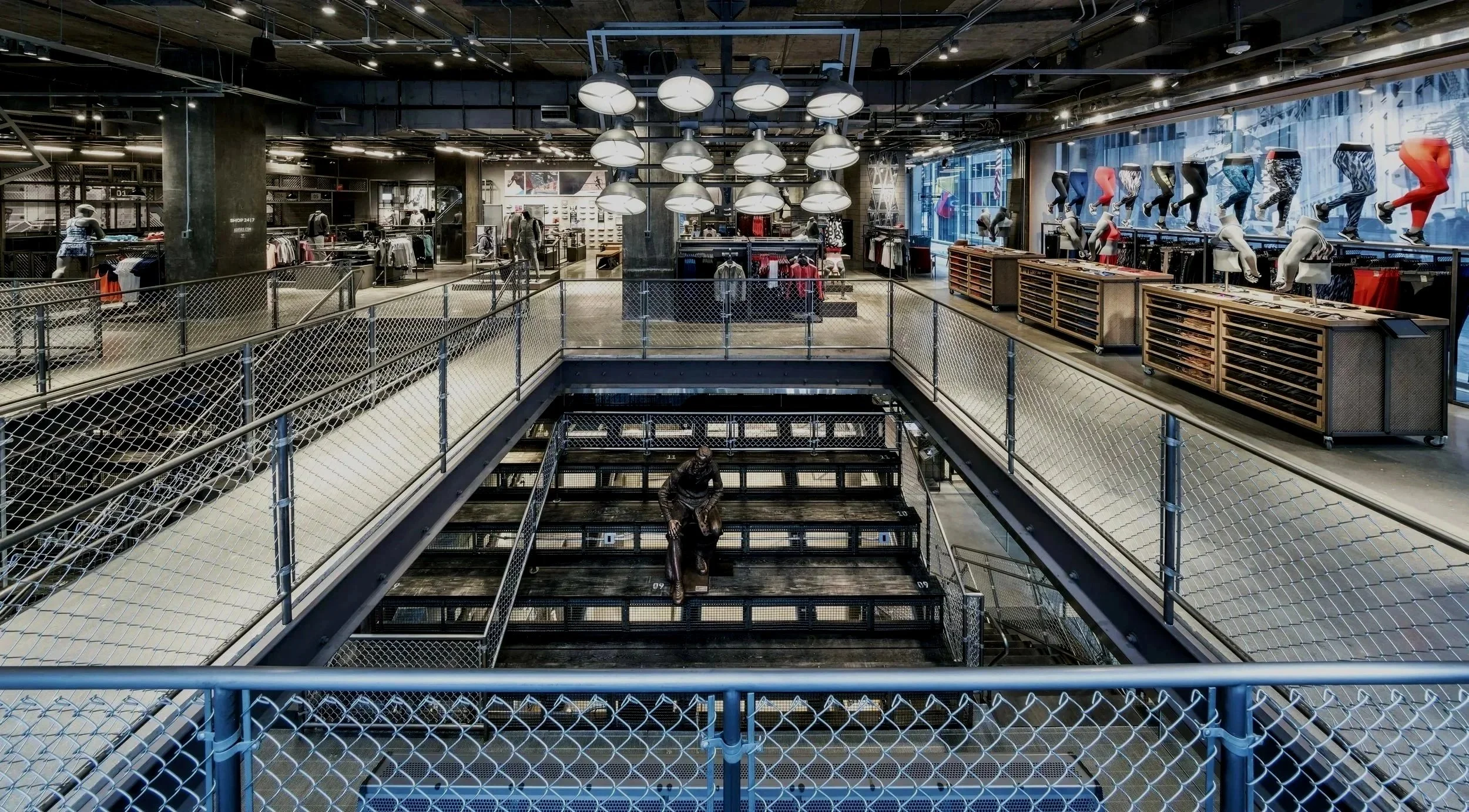
In the wake of the pandemic and its myriad effects on the retail landscape, adidas turned towards the future and was looking to define its ideal state retail experience that also drives business performance. They had a clear knowledge gap: a firsthand understanding of the consumer to supplement store-level performance data — they needed to hear what motivated people to shop and buy in-store vs. online, and better understand behavioral patterns. Our mission was to develop a core retail strategy and scalable application roadmap to help adidas-owned stores in North America raise foot traffic and increase purchase margin without relying on promotional tactics and discounts.
❋ The Relevance Unlock
An 18 store, 70+ person interview audit with customers and managers revealed that each store experience, regardless of its role in the overall fleet, needs to activate the optimistic spirit of the brand. Consumers don’t differentiate the brand from the store, so each physical experience is an opportunity to reinforce the master brand attitude and ethos, and build connection. Through localization, increased interactivity, and a focus on cultural context specific to each location, adidas could deepen its brand fidelity through its footprint.
❋ The Outcome
adidas shifted its retail point of view from transactional to experiential. As the brand accelerated its direct-to-consumer strategy, stores became a stronger driver of both revenue and connection, supported by continued investment across North America.
A localized, experience-led approach turned key locations into cultural touchpoints, reinforcing brand attitude and increasing engagement.
The result is a more scalable retail model that balances consistency with local relevance, driving both brand and business impact.
What We Delivered
Custom Research
Fieldwork + Site Visits
Store-Level Observations
Cross-Functional Workshops
Shopper Personas + Profiles
Retail Positioning (Fleet & Format)
Cross-Functional Applications
Learning Agenda
Project Duration: 12 weeks
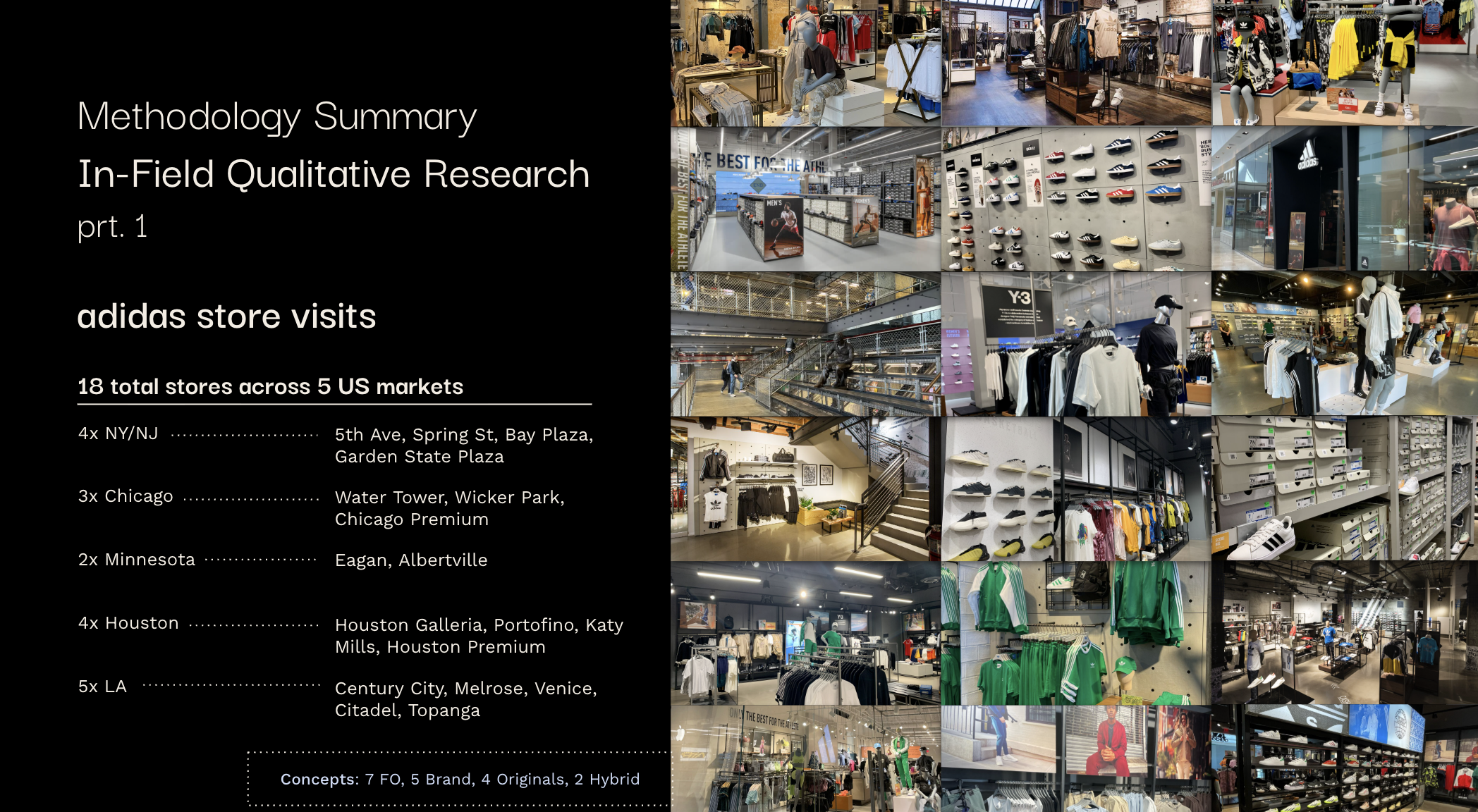
Extensive multi-modal research — including in-store customer interviews and site evaluations nationwide — informed cross-functional recommendations across store formats and shopper profiles.
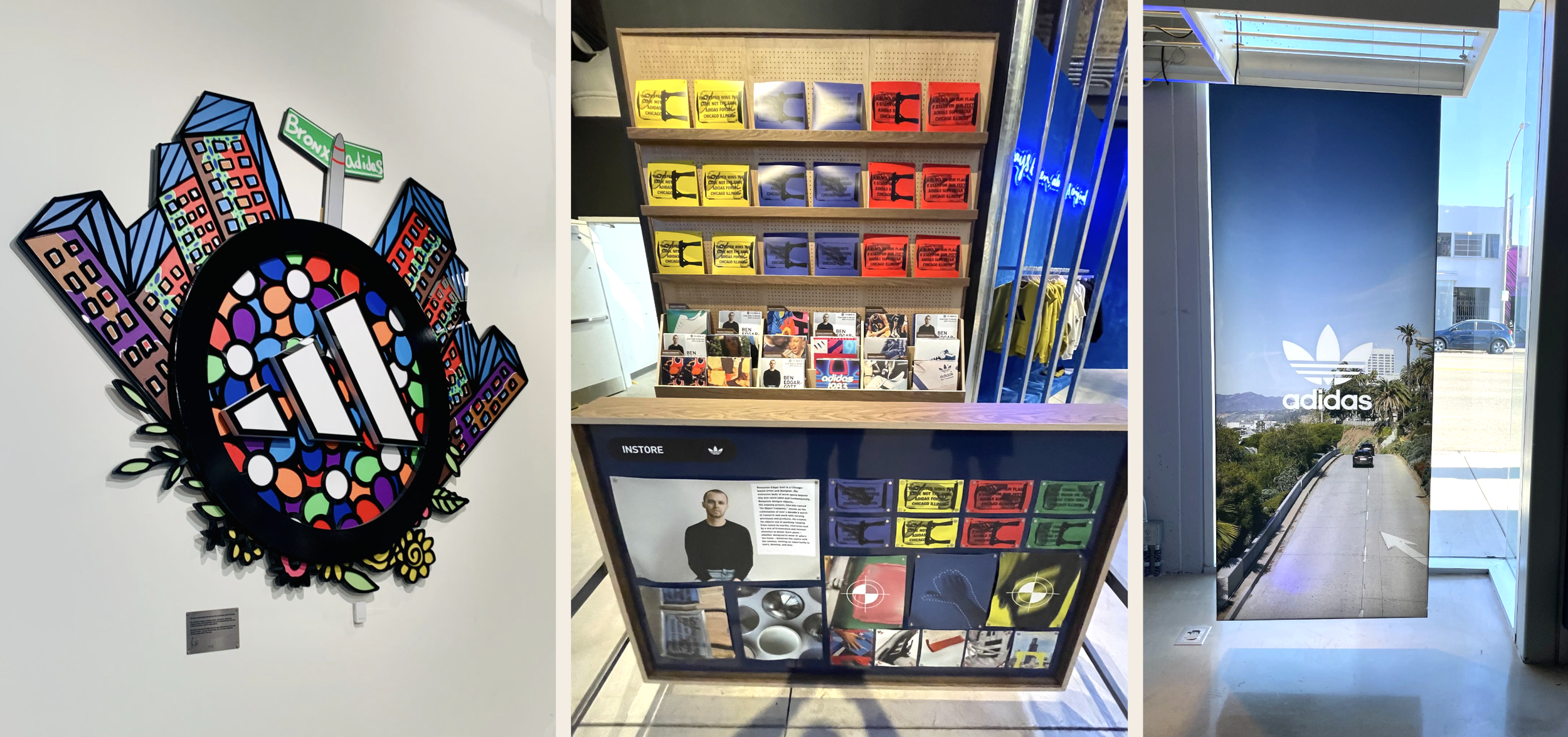
The strong performance and positive sentiment driven by hyper-local storytelling, product, and activations elevated localization to a core focus for the brand.
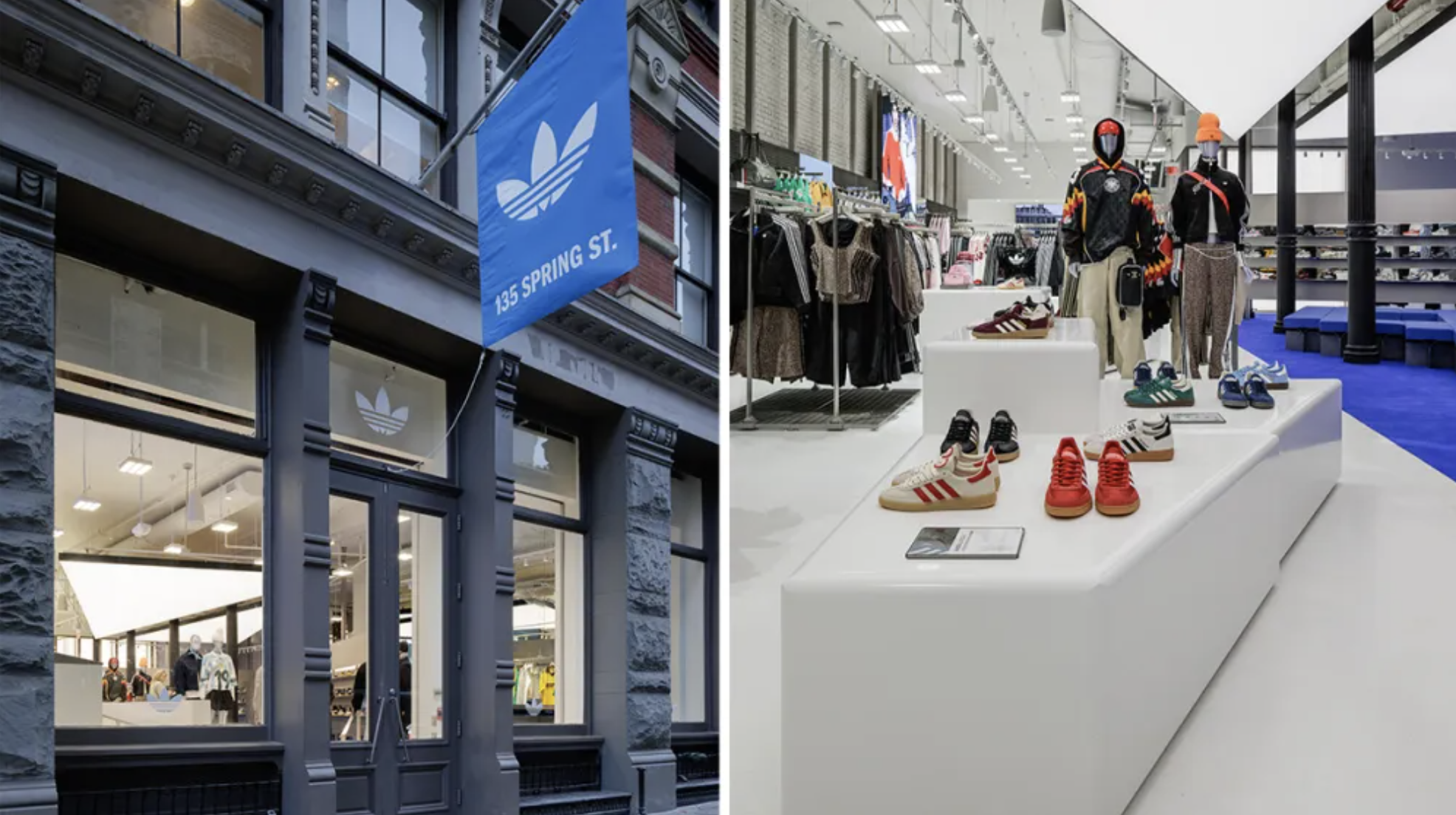
With the Spring Street Originals relaunch in April 2026, our core tenets of community and localization shine. The space pays homage to New York’s legacy of street photography, creativity, and gallery culture while it “serves as a platform and a meeting place for New York’s creative community,” explains Joe Robertson, VP of Culture Marketing at adidas.

The Quick Study team was fantastic to work with. From our first conversation, Alexa and Rob understood the strategic challenge and potential business impact of the assignment. Throughout our project, they provided thoughtful recommendations based on both the ambitions of our brand and the current realities of our operating model. Overall I am pleased with their work and their partnership and looking forward to working with Quick Study again in the future.
Kerry Kessler | Director of Retail Marketing, adidas North America
More Work

Research & Activation Plan for the Super Bowl
Product Positioning & Campaign Strategy for Menswear
Seasonal & Key Moment Strategies
Global Partnership POV & Passion Point Strategies for Music, Cinema, Sport, and Design

Partnership Strategy

Category & Multi-Brand Positioning for Leaders in the Spiritual Wellness Space

Multicultural & Partnership Strategies

Multi-Brand Positioning & Vis ID for JDate, Christian Mingle, and more